Choice Matters How the Decisions We Make Shape Our Lives
Some choices feel huge the moment they show up. Others slip quietly into the day: what we say, what we ignore, what we repeat, what we let go.
Lately, the word choice keeps standing out. In conversations, in posts, in the way people talk about stress, change, regret, hope, and growth. We hear familiar phrases all the time, but when we slow down and look past the repeated words, there’s something deeper sitting there.
We’re making choices all day long.
Some are obvious. Some are hidden. Some feel exciting. Some feel like survival. And while we may not always get to choose what happens around us, we usually have more say than we think in how we respond, what we believe, and what we do next.
We always have a choice. We don’t always have a choice of the consequences.

We don’t always notice the choices we’re making
A lot of choices don’t announce themselves.
We think of choice as the big life stuff: moving, changing jobs, ending a relationship, saying yes to a new opportunity, saying no to something that’s been draining us. Those count, of course. They matter.
But so do the small ones.
We choose whether to answer sharply or pause for a breath. We choose whether to scroll for another 30 minutes or go to sleep. We choose whether to assume the worst or ask one more question. We choose whether to keep carrying an old story about ourselves or try, even clumsily, to write a new one.
That doesn’t mean every choice is easy. Some are limited by money, health, family responsibilities, past hurt, or plain exhaustion. Pretending everyone has the same options isn’t honest.
Still, even in tight places, there may be a choice hiding somewhere:
The choice to ask for help
The choice to take one small step instead of no step
The choice to stop explaining yourself to someone committed to misunderstanding you
The choice to rest without calling yourself lazy
The choice to tell the truth, even if your voice shakes
Sometimes freedom starts small. Not dramatic. Not perfect. Just real.
The way we choose shapes the way we live
The choices we repeat become patterns. The patterns become habits. The habits become the shape of our days.
That can sound heavy, but it can also be hopeful. If repeated choices helped build the life we’re living now, new repeated choices can help build something different.
Think about a simple example. If someone chooses every day to avoid a hard conversation, the silence grows. It becomes normal. Distance builds. Resentment fills the space.
But if that same person chooses one honest sentence, something shifts. Maybe the conversation is awkward. Maybe it doesn’t fix everything. But the pattern has been interrupted.
That’s powerful.
Better choices don’t always feel better at first. Sometimes they feel uncomfortable because they ask us to be honest. They ask us to let go of an excuse. They ask us to stop choosing what’s familiar just because it’s familiar.
Comfort isn’t always a sign we’re making the right choice. Fear isn’t always a sign we’re making the wrong one.

Consequences are part of the choice
This is the part we don’t always like.
We can choose our words, but we can’t always choose how someone receives them. We can choose to take a risk, but we can’t guarantee the result. We can choose to apologize, but we can’t force forgiveness. We can choose a path, but we can’t control every turn in the road.
That doesn’t make the choice pointless. It makes it honest.
Maturity means understanding that choice and consequence travel together. If I choose to avoid responsibility, trust may fade. If I choose to speak with kindness, I may create peace, but I still can’t control another person’s reaction. If I choose growth, I may also choose discomfort, because growth often asks for it.
That’s why it helps to ask better questions before choosing.
Not just, “What do I want right now?”
Also:
What might this choice cost me later?
What kind of person does this choice help me become?
Am I choosing from fear, love, anger, pressure, or wisdom?
If nothing changed immediately, would this still be the right thing to do?
Am I willing to live with the possible outcome?
Those questions don’t remove uncertainty. They do help us choose with our eyes open.
New perspectives reveal new options
One of the most useful things we can do is question the choices we assume are our only choices.
Sometimes we think the options are:
Stay silent or explode.
Quit completely or keep suffering.
Say yes or disappoint everyone.
Be perfect or fail.
But life usually offers more than two doors.
Maybe the choice isn’t silence or anger. Maybe it’s a calm boundary. Maybe the choice isn’t quitting or suffering. Maybe it’s asking for a change, taking a break, or making a plan. Maybe the choice isn’t pleasing everyone or being selfish. Maybe it’s being honest with care.
New perspectives don’t always solve everything, but they widen the room.
This is where conversations help. Reading helps. Listening helps. Quiet helps too. When we step back from the noise, we often discover choices we couldn’t see while we were rushing, reacting, or repeating old patterns.

Better choices start with paying attention
If you want to make better choices, start by noticing them.
You don’t have to overhaul your whole life by Friday. Just pay attention for one day.
Notice when you say yes but mean no. Notice when you react before thinking. Notice what drains you. Notice what gives you peace. Notice which choices leave you feeling more like yourself and which ones make you feel smaller.
Then pick one place to practice.
Maybe it’s your mornings. Maybe it’s how you talk to yourself. Maybe it’s money, food, time, friendships, forgiveness, or rest. Keep it small enough that you can actually follow through.
A better choice might look like:
Taking a walk instead of replaying the same worry
Asking one honest question instead of making an assumption
Putting your phone down during a meal
Saying, “I need time to think”
Choosing not to argue when peace is the wiser answer
Small choices count because they train us. They teach our minds and hearts what kind of life we’re moving toward.
We can choose again
One of the kindest truths about choice is this: one bad choice doesn’t have to become your whole story.
Yes, choices have consequences. Some consequences last longer than we wish. Some require repair. Some teach us through regret, and regret can be a hard teacher.
But even then, we can choose again.
We can choose humility. We can choose to make amends. We can choose to learn. We can choose to stop pretending. We can choose a different response next time.
That doesn’t erase the past, but it changes our relationship with it. We stop using yesterday as proof that tomorrow has to look the same.
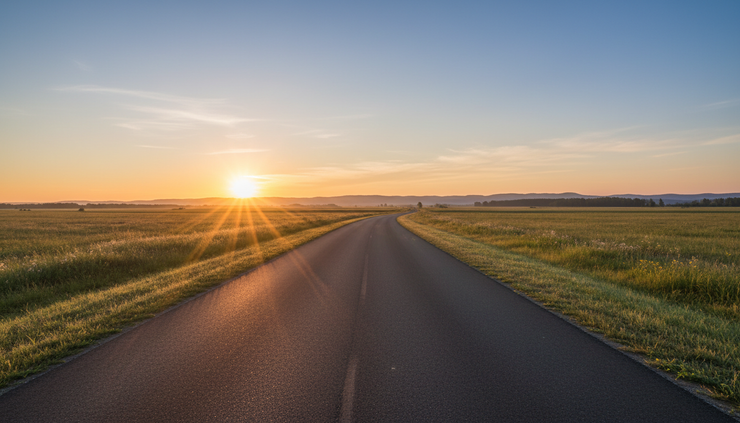
Choice matters because it’s how we participate in our own lives.
We won’t choose every circumstance. We won’t control every consequence. But we can keep paying attention. We can keep asking better questions. We can keep looking for options we didn’t realize we had.
And when we can, we can choose with more honesty, more courage, and more care.
That may not make life easy, but it can make it more intentional. And sometimes, that’s where the better path begins.


Comments